

 de
de it
it ja
ja zh
zhCNC Bending Process Parameter Optimization and Springback Compensation
Key Technologies for Precise Bending Angle Control
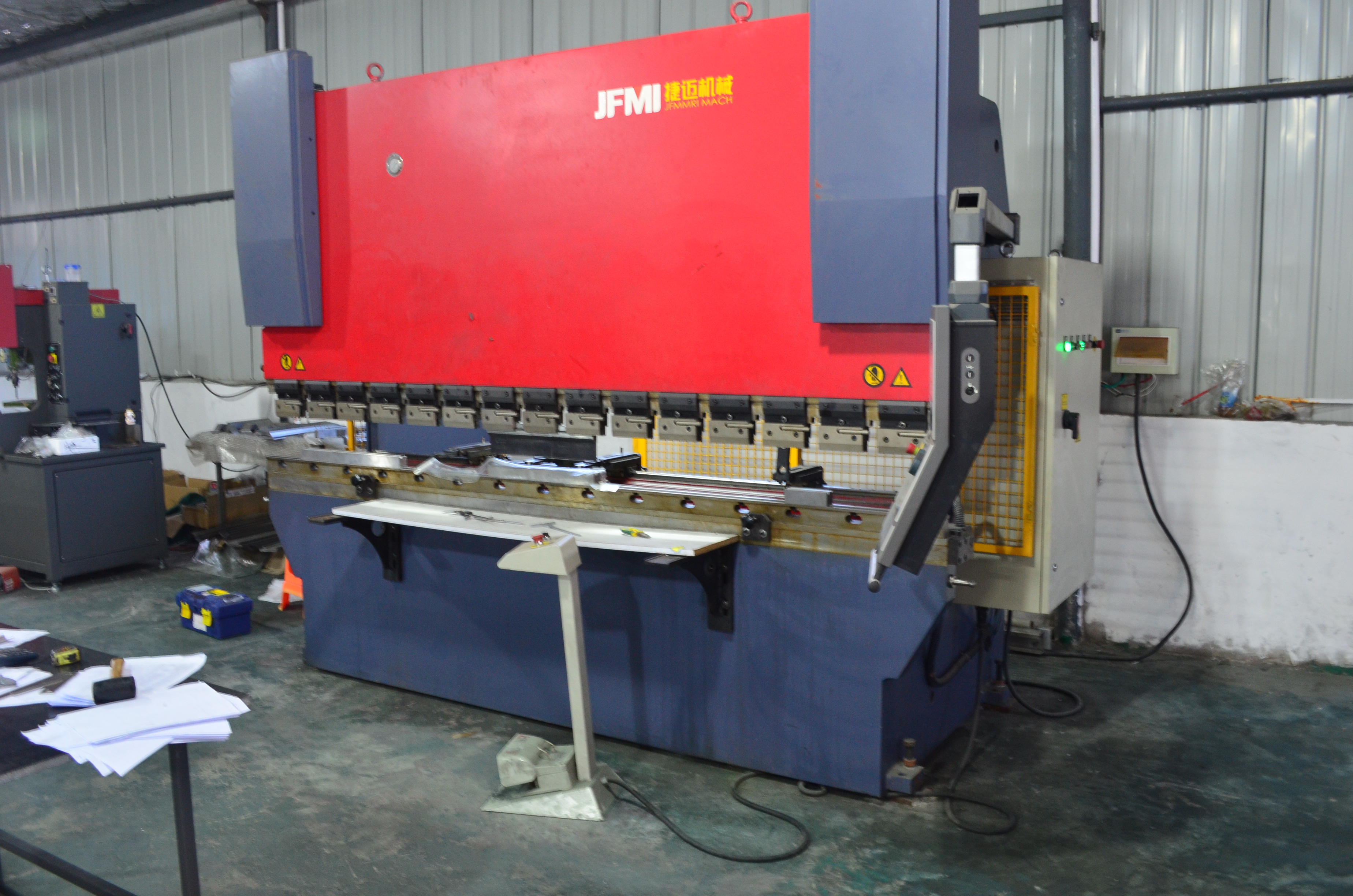
CNC bending is an important sheet metal forming process, but springback has always been a major factor affecting bending accuracy. This article systematically introduces methods for optimizing bending process parameters and springback compensation technology.
I. Factors Affecting Bending Accuracy
Bending accuracy is influenced by multiple factors, mainly including:
Material properties: yield strength, elongation, thickness uniformity
Die parameters: upper die corner radius, opening width, lower die V-groove size
Process parameters: bending force, dwell time, bending speed
Equipment accuracy: ram parallelism, positioning accuracy
II. Springback Mechanism and Compensation Algorithm
Springback is caused by the elastic recovery of the material. The springback amount Δθ is positively correlated with the following factors:
The higher the material’s yield strength, the greater the springback
The larger the relative bend radius R/t, the greater the springback
The thinner the plate, the more noticeable the springback
Modern CNC press brakes are equipped with automatic springback compensation systems. Through closed-loop control of trial bending-measurement-correction, the angle error can be controlled within ±0.5°.
III. Bending Sequence Optimization
For parts with multiple bends, a reasonable bending sequence is crucial:
Principles:
Bend edges that do not affect subsequent positioning first
Short edges before long edges
Symmetric bends first
Consider interference and clearance
IV. Quality Control Key Points
Quality inspection of bent parts should focus on:
Bending angle: use an angle gauge or CMM
Straightness: check whether the bend line is straight
Indentation depth: evaluate appearance quality
Dimensional consistency: repeatability of batch parts