

 de
de it
it ja
ja zh
zhApplication and Development of Laser Cutting Technology in Sheet Metal Fabrication
Technological Evolution from CO2 to Fiber Laser
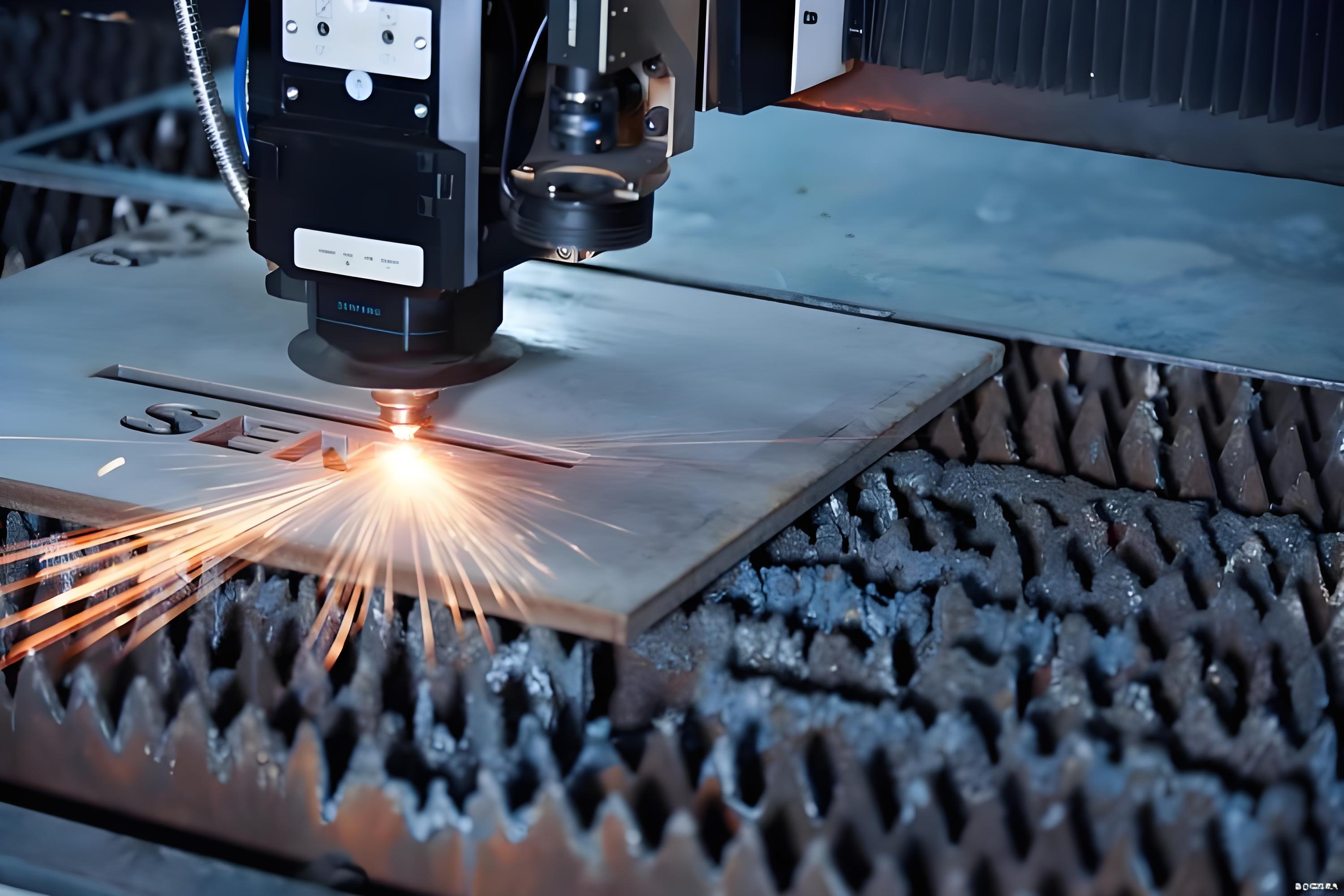
With its high precision, high efficiency, and high flexibility, laser cutting has become an indispensable core process in modern sheet metal fabrication. This article reviews the development history of laser cutting technology, compares the advantages and disadvantages of different laser sources, and outlines future development directions.
I. Development History of Laser Cutting Technology
Laser cutting technology has gone through three main development stages:
CO2 laser era (1990s-2010s): Mature and stable, but low electro-optical conversion efficiency (about 10%-15%)
Solid-state laser era (2010s-2020s): Fiber lasers emerged, with efficiency improved to over 30%
Ultrafast laser era (2020s-present): Picosecond and femtosecond lasers used for ultra-precision machining
II. Fiber Laser vs CO2 Laser Comparison
Comparison Item | Fiber Laser | CO2 Laser |
|---|---|---|
Wavelength | 1.07 μm | 10.6 μm |
Electro-optical conversion efficiency | 30%-40% | 8%-12% |
Metal absorption rate | High (especially for copper and aluminum) | Relatively low |
Maintenance cost | Virtually maintenance-free | Requires periodic gas replacement |
Cutting thickness | Clear advantage for thin sheets | Still advantageous for thick plates |
III. Typical Application Case
Improvements after a sheet metal factory introduced a 12kW fiber laser cutting machine:
Carbon steel plate cutting speed increased by 400% (6mm plate)
Significantly enhanced copper and aluminum alloy cutting capability
Operating costs reduced by 35%
Cut surface quality reached a bright-finish level
IV. Future Development Trends
Continued power increase: 20kW, 30kW, or even higher power
Intelligent upgrades: automatic nesting, automatic loading/unloading
Popularization of 3D cutting: tubes and special-shaped parts
Green and eco-friendly: dust removal, noise reduction, energy saving