


 de
de it
it ja
ja zh
zhSpindle Fault Diagnosis and Maintenance Case Analysis
Protecting the Heart of CNC Machine Tools
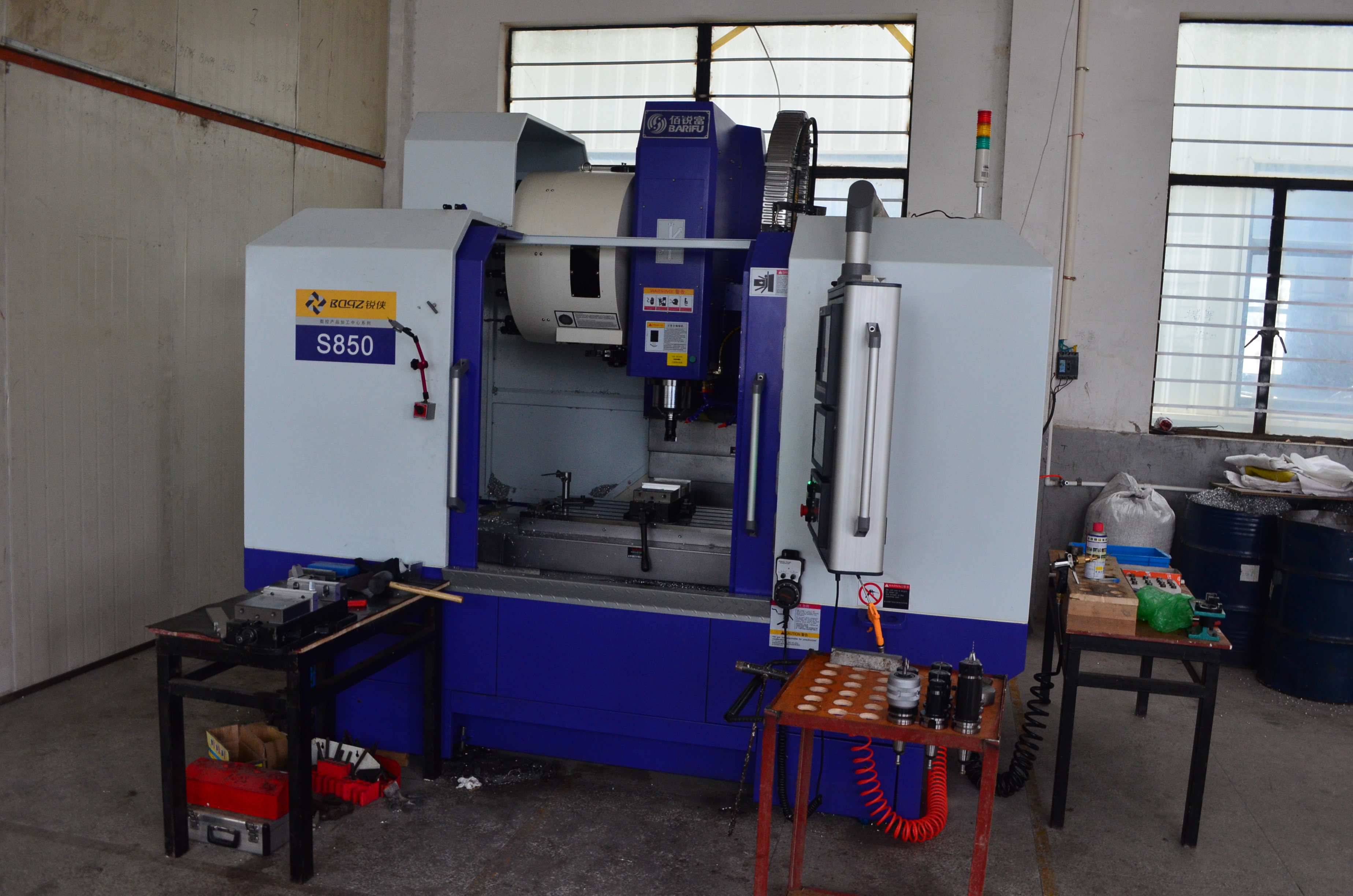
The spindle is one of the most core and expensive components of a CNC machine tool, often called the "heart" of the machine. Once the spindle fails, the entire equipment cannot operate normally. This article explains the diagnostic approach and maintenance methods for common spindle faults through multiple real cases.
I. Common Spindle Fault Types
Fault Phenomenon | Possible Cause | Proportion |
|---|---|---|
Noise/abnormal sound | Bearing damage, dynamic imbalance | 35% |
Excessive temperature rise | Poor lubrication, improper bearing preload | 25% |
Accuracy degradation | Bearing wear, drawbar mechanism failure | 20% |
Failure to start | Encoder failure, drive alarm | 15% |
Excessive vibration | Dynamic imbalance, spindle bending | 5% |
II. Case 1: High-Speed Spindle Abnormal Sound Diagnosis
Fault phenomenon: A vertical machining center spindle produces a sharp howling sound above 8000 rpm
Diagnostic process:
Auscultation judgment: high-frequency abnormal sound points to bearings
Spectrum analysis: shows bearing outer ring fault frequency
Disassembly confirmation: front bearing outer ring spalling
Solution: Replace the bearing set and redo dynamic balancing
III. Case 2: Spindle Taper Hole Accuracy Restoration
Background: A BT40 spindle used for many years with taper hole runout exceeding standard (0.02mm)
Restoration plan:
Disassemble the spindle assembly
Grind the taper hole on an internal grinding machine
Lap to a standard contact rate ≥85%
Redo dynamic balancing
Restored accuracy: taper hole runout ≤0.003mm, approaching new spindle level
IV. Spindle Maintenance Key Points
Regularly check lubricant level and quality
Avoid prolonged no-load high-speed operation
Smooth tool changes, avoid impacts
Perform accuracy inspection at least once a year
Establish spindle health records