

 de
de it
it ja
ja zh
zhEstablishment and Implementation of CNC Machine Tool Preventive Maintenance System
The Shift from Reactive Maintenance to Proactive Prevention
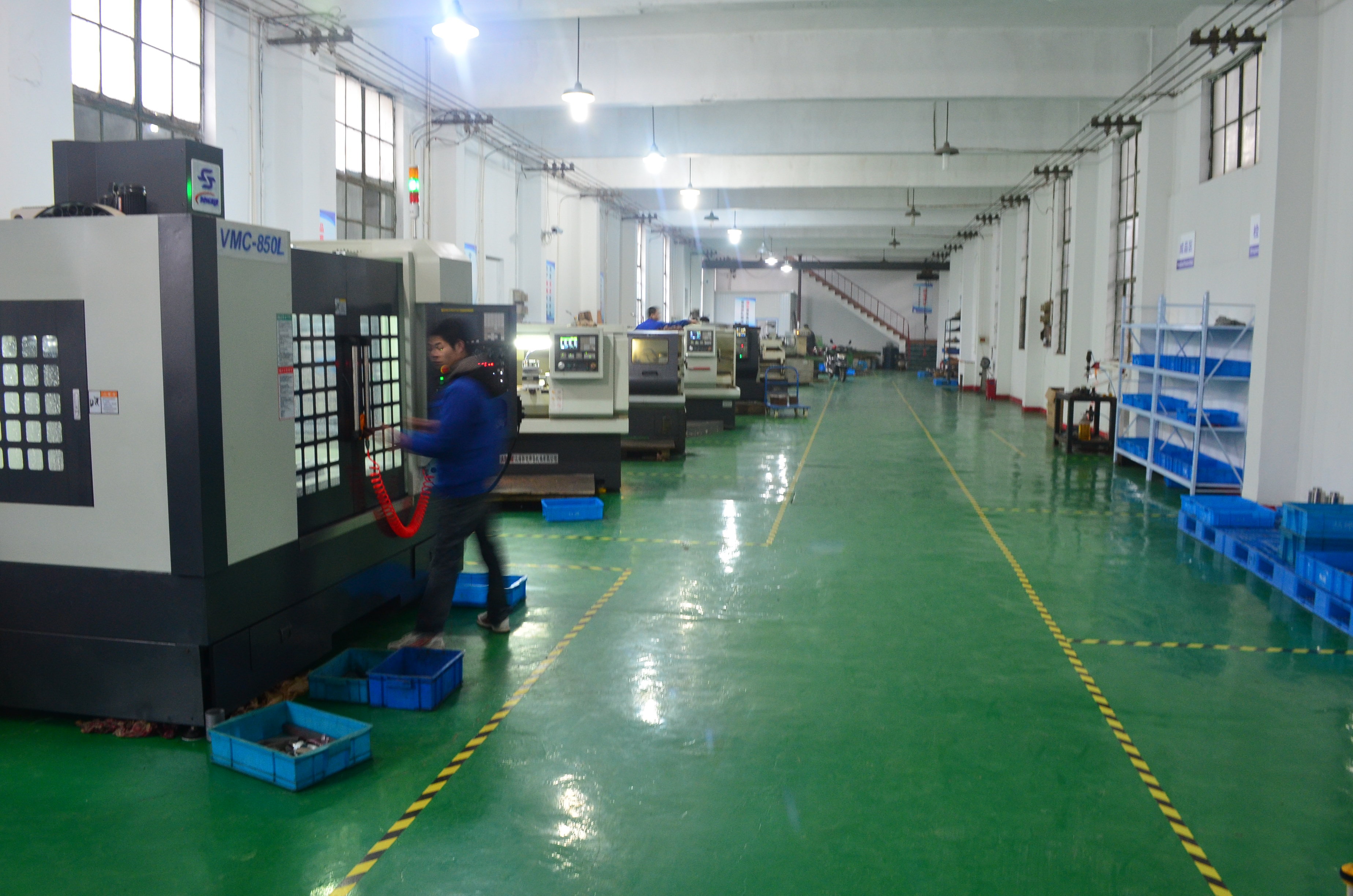
Equipment failures can lead to production stoppage losses, quality issues, and even safety accidents. Establishing a scientific preventive maintenance system can eliminate most failures in their infancy and significantly improve Overall Equipment Effectiveness (OEE).
I. Why Preventive Maintenance?
Data shows:
80% of equipment failures can be avoided through preventive maintenance
The cost of preventive maintenance is only 1/5 of reactive maintenance
Proper maintenance can extend equipment life by 30%-50%
II. Formulating a Maintenance Plan
Daily maintenance (daily):
Check lubricant level and air pressure
Clean guide rails and worktable
Check for abnormal sounds and vibrations
Periodic maintenance (by operating hours):
Interval | Maintenance Content |
|---|---|
Every 500 hours | Check belt tension, clean filters |
Every 2000 hours | Replace lubricant, inspect bearings |
Every 5000 hours | Calibrate accuracy, inspect ball screws |
Annually | Comprehensive overhaul, accuracy inspection |
III. Maintenance Records and Data Analysis
Establish comprehensive equipment archives:
Equipment ledger (basic information, parameters)
Maintenance logs (detailed records of each maintenance)
Fault history (fault phenomena, causes, countermeasures)
Spare parts consumption (inventory alerts)
Through data analysis, patterns can be discovered:
Which components are wearing parts?
Are there seasonal failures?
Does a specific equipment need major overhaul?
IV. Application of Digital Tools
It is recommended to use a CMMS (Computerized Maintenance Management System):
Automatically generate work orders and reminders
Mobile QR code inspection
Spare parts inventory management
Maintenance cost statistics
KPI dashboard display