

 de
de it
it ja
ja zh
zhNew Demands of New Energy Vehicle Industry Chain for Precision Machining
Seize the Export Opportunities of the "New Three"
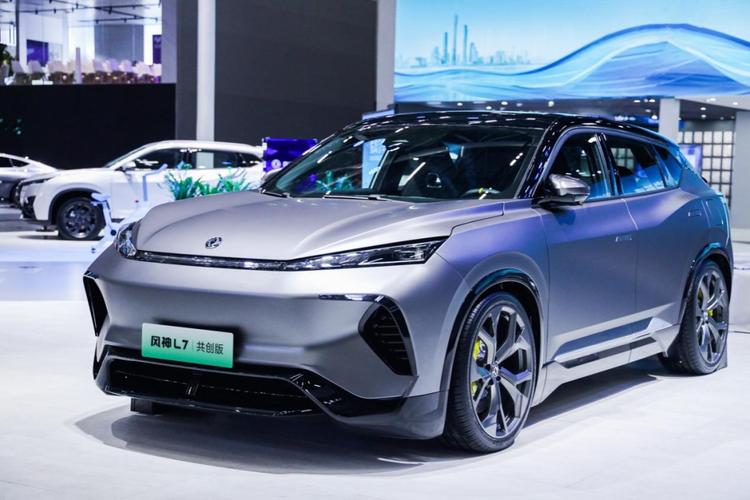
The explosive growth of New Energy Vehicles (NEV) is reshaping the entire manufacturing supply chain. Core components such as batteries, motors, and electronic controls impose entirely new and higher demands on precision machining. This article analyzes the precision machining opportunities and challenges in the NEV industry chain.
I. Machining Demands for NEV Core Components
Component | Machining Difficulties | Precision Requirements | Material |
|---|---|---|---|
Battery housing | Sealing surface flatness | ≤0.05mm | Aluminum alloy |
Motor stator and rotor | Lamination accuracy, coaxiality | ≤0.02mm | Silicon steel sheet |
Electronic control heat sink | Flow channel accuracy, pressure resistance | Leakage rate 0 | Aluminum alloy |
Lightweight chassis | Large thin-walled parts | Strict geometric tolerances | Aluminum alloy/magnesium alloy |
II. Differences from Traditional Fuel Vehicles
Higher lightweighting requirements: under range pressure, weight reduction is essential
Wider new material application: aluminum alloy and carbon fiber usage increases significantly
More electronic and electrical components: surging demand for precision parts such as connectors and sensors
Faster iteration: model update cycle shortened from 5 years to 2 years
III. Supply Chain Opportunities
Battery structural parts: trays, end plates, module housings
Electric drive system: motor housings, reducer housings
Thermal management system: cold plates, radiators
Body structural parts: integrated die-cast parts
IV. Capability Building Recommendations
To enter the NEV supply chain, traditional machining enterprises need to improve in the following areas:
Obtain IATF 16949 certification
Improve clean production standards (oil-free and dust-free)
Establish a traceability system (full life cycle)
Cultivate project management capabilities
Increase R&D investment